For years, the standard way to connect a home solar system in Greece was net metering. That scheme closed to new applications in 2024. Today, new grid-connected PV systems for self-consumption mainly use net billing, known in Greek as ταυτοχρονισμένος συμψηφισμός (simultaneous offsetting). If you are a homeowner, an expat with a house in Greece or a business owner, this guide explains in plain English how net billing works, how it differs from net metering, and what it means when you plan a new system.
What changed: from net metering to net billing
Under net metering (ενεργειακός συμψηφισμός), the energy your panels exported to the grid was offset against the energy you took from it over a long settlement period. In practice, a sunny summer could “bank” energy for a cloudy winter. It was simple and generous, which is why so many Greek homes adopted it.
New applications for net metering closed in 2024. Systems that were already connected keep their existing arrangement under their contracts, so if you already have a net-metered system, nothing changes for you. New systems follow different rules.
In September 2026, the Ministry of Environment and Energy published an updated framework for self-consumption (Ministerial Decision ΥΠΕΝ/ΔΑΠΕΕΚ/102876/1958, Government Gazette ΦΕΚ Β΄ 5573/14.9.2026). It brings all self-consumption schemes under one set of rules and confirms net billing as the main route for new systems, alongside zero-export systems and battery storage.
How net billing works
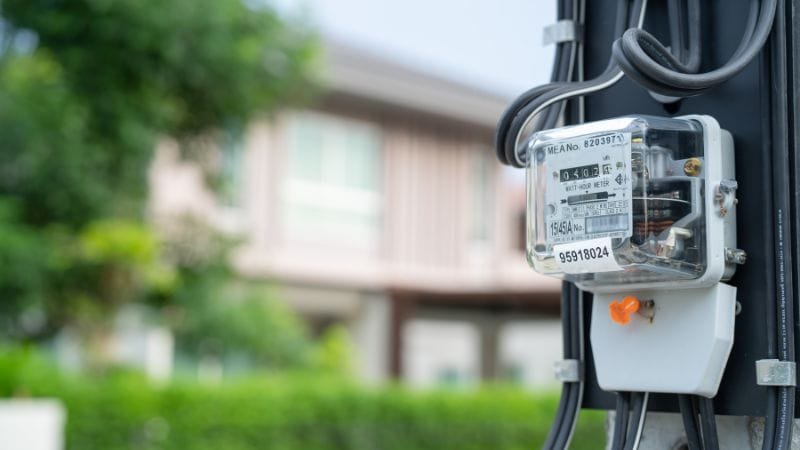
The key word is simultaneous. With net billing, the energy your PV system produces is offset against the energy you consume within the same short time window, rather than over a whole year. The framework ties this window to the settlement period used by the electricity market, based on the certified readings of your meter.
- Energy you use at the moment it is produced reduces what you buy from the grid. This is where most of the value comes from.
- Surplus energy that you do not use at that moment can be fed into the grid and is compensated based on market prices.
- Energy you draw from the grid when your panels are not producing, for example in the evening, is billed normally by your supplier.
A net billing system that exports to the grid needs a net billing agreement with your electricity supplier. You can also choose a system that does not export at all, which is called zero export (zero feed-in), and in that case no such agreement is needed.
Virtual net billing
The framework also provides for virtual net billing, where the PV system is installed in a different location from the consumption point it serves. This can suit businesses with several sites, or owners whose own roof is not suitable. Whether it fits your case depends on the details, so it is worth discussing during the study.
Net metering vs net billing: what it means in practice
The main practical difference is timing. Under net metering, the grid acted almost like a free seasonal battery. Under net billing, energy is valued when it is produced and used. That changes how a good system is designed:
- Size for your real daytime consumption. Oversizing a system to export as much as possible makes less sense when exported energy is paid at market prices.
- Shift consumption into sunny hours. Running the water heater, heat pump, pool pump or washing machine in the middle of the day increases the share of solar energy you use yourself.
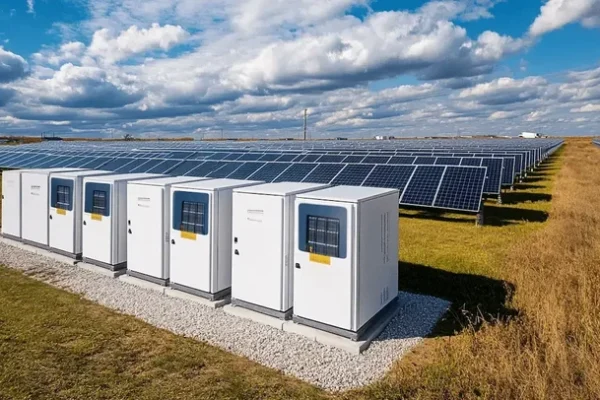
- Consider a battery. A battery stores daytime surplus for the evening, which is when many homes use the most electricity.
- Use monitoring. Seeing your production and consumption hour by hour helps you adjust your habits and spot problems early.
Who is net billing for?
Homeowners and expats
For a permanent home, net billing works best when someone is in the house during the day, or when large loads such as air conditioning, a heat pump or an electric car can run while the sun is shining. If the house is empty during working hours, a battery often makes a bigger difference.
Holiday homes and rentals
Holiday homes and summer rentals in Greece tend to use most of their electricity in the sunniest months, especially for air conditioning. That is a good match for solar. For a property that is closed for part of the year, the study should look carefully at sizing and at whether exporting the surplus or a zero-export design is the better choice.
Businesses
Offices, shops, hotels, workshops and cold stores usually consume most of their energy during daylight hours, which makes them strong candidates for net billing. Commercial projects benefit from a detailed load-profile analysis and, where relevant, monitoring and automation.
Sizing and connection: what to expect
Every new system starts with a study of your roof or available space, orientation, shading, structural adequacy and, most importantly, your consumption pattern. The framework links the maximum size of a net billing or zero-export system to the agreed power of your electricity connection, so your existing supply also matters. The connection process involves the network operator (HEDNO) and, for exporting systems, your electricity supplier. A good installer handles the paperwork and keeps you informed.
Common questions
I already have net metering. Do I need to change anything?
No. Existing net-metered systems continue under the terms of their contracts. What matters for you is keeping the system well maintained so it keeps producing.
Can I add a battery to my system?
In most cases, yes, but the technical and regulatory details depend on your existing system and its connection scheme. Ask for an assessment before buying equipment.
Is solar still worth it without net metering?
For many homes and businesses, yes, as long as the system is designed for self-consumption. The return depends on your consumption, the system cost and electricity prices, which is why a proper study matters more than any general rule.
Plan your system with SA Solar
SA Solar designs and installs solar PV systems for homes and businesses across Greece under the current self-consumption rules, from the first study and permits to installation, grid connection and monitoring. See our solar PV sales and installation service, and keep your system performing with our maintenance plans and fast service and repair. SA Solar is part of the SA Construction group, so larger projects can be combined with construction or renovation work.
Thinking about a new solar system? Contact us for a free study and we will recommend the right scheme for your property.