A solar PV system is one of the lowest-maintenance investments you can make in a property, but “low maintenance” does not mean “no maintenance”. In Greece, dust, pollen, salt from the sea, bird droppings and long dry summers all take their toll on panels and equipment. For owners of holiday homes who are away for months at a time, small problems can go unnoticed until they cost a season of production. This guide explains what solar PV maintenance involves, how cleaning works, and how to look after a system you do not see every day.
Why maintenance matters in Greece
Greece has excellent sunshine, but the same climate creates specific challenges:
- Dust and dirt. Long periods without rain allow dust to build up on panels, especially near roads, fields and construction sites.
- Saharan dust episodes. Dust carried from North Africa can leave a visible layer on panels after a single event.
- Coastal salt. Near the sea, salt deposits can soil panels and accelerate corrosion of frames, mounting structures and electrical connections.
- Pollen and bird droppings. These create local shading that can affect the output of a whole string of panels.
- Heat. High summer temperatures put stress on inverters, cabling and connections.
Under net billing, the scheme for new systems since net metering closed to new applications in 2024, the value of your system comes mainly from the energy you use yourself. Every kilowatt-hour lost to dirty panels or an undetected fault is a kilowatt-hour you buy from the grid instead.
What a maintenance visit includes
A professional maintenance visit goes well beyond cleaning. A typical programme covers:
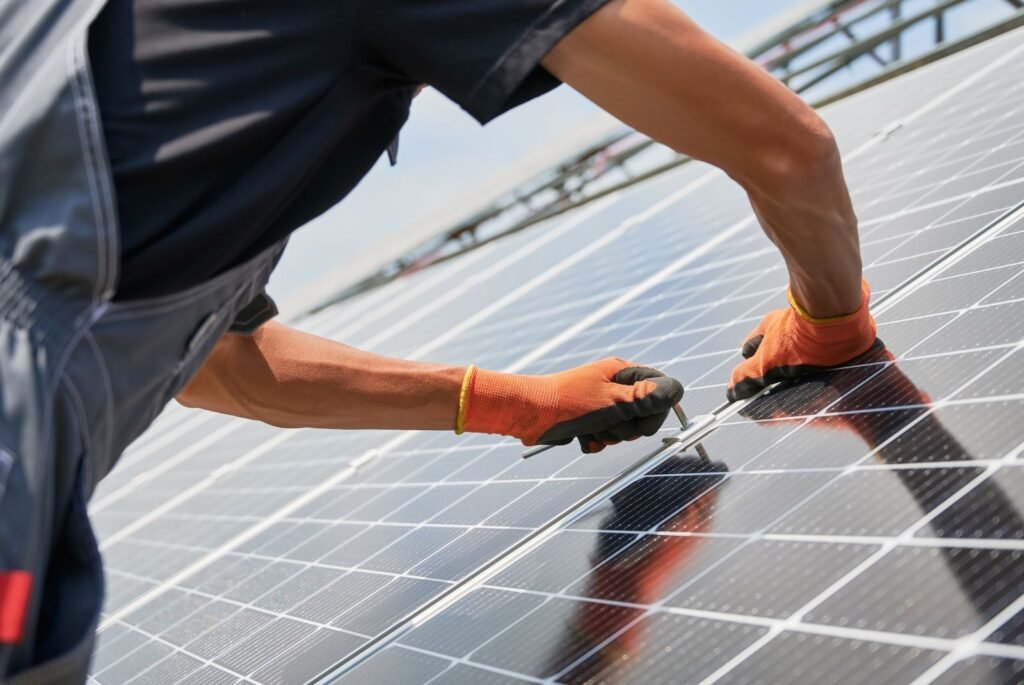
- Visual inspection of panels, frames, cabling and mounting structures for damage, cracks, loose parts or corrosion.
- Panel cleaning with suitable equipment and water.
- Thermographic inspection with a thermal camera to find hot spots and defective cells that are invisible to the eye.
- Electrical checks of AC and DC panels, protection devices, earthing and the tightness of connections.
- Inverter check, including error logs, ventilation and firmware.
- Performance review using monitoring data, comparing actual production with what the system should produce.
- A written report with findings, photos and recommended actions.
Cleaning solar panels: do it right
Cleaning is the most visible part of maintenance, and the easiest to get wrong. Panels have an anti-reflective coating that can be damaged by the wrong tools or chemicals.
Good practice
- Use soft brushes and clean, ideally deionised, water, which leaves no mineral spots.
- Clean early in the morning or late in the afternoon, when panels are cool. Cold water on hot glass can cause thermal stress.
- Follow the panel manufacturer’s cleaning instructions, which also protects your warranty.
What to avoid
- High-pressure washers, abrasive pads and detergents not approved by the manufacturer.
- Walking on panels or leaning ladders against them.
- Working on a roof without proper safety equipment. For most owners, roof work is a job for professionals.
How often should panels be cleaned?
It depends on the location. A system in a dusty rural area, near the coast or close to a busy road needs cleaning more often than one in a clean urban setting with regular rain. Monitoring data is the best guide: a gradual drop in production compared with similar sunny days usually means it is time to clean.
Looking after a holiday home system from abroad
Many owners of holiday homes and rental properties in Greece spend most of the year elsewhere. A few measures make a big difference:
- Remote monitoring with alerts. A monitoring app shows production every day and notifies you, or your maintenance provider, when something is wrong.
- A scheduled pre-season visit. Cleaning and checking the system before the summer season means it is ready when consumption peaks.
- A post-winter inspection. Storms and strong winds can loosen mountings or damage cabling.
- One local contact. A maintenance contract gives you a provider who knows your system and can respond quickly.
Warning signs that need attention
Contact a technician if you notice any of these:
- The inverter shows an error code, a red light or has switched off.
- Production is clearly lower than usual on clear days.
- Monitoring shows zero production during daylight.
- Visible damage: cracked glass, discoloured cells, burnt marks or loose cables.
- A burning smell or unusual noise from the inverter or electrical panels.
Never open electrical panels or disconnect DC cables yourself. Solar systems carry DC voltage whenever there is daylight.
What owners can do themselves
Between professional visits, there are a few simple, safe things you can do without climbing onto the roof:
- Check the monitoring app regularly, for example once a week, and compare production with similar sunny days.
- Look at the inverter display or status lights when you are at the property.
- Keep the area around the inverter clear and well ventilated, and make sure nothing is stored against it.
- Watch for new shading from growing trees, new buildings or antennas, which can reduce output over time.
- Keep a simple log of any error messages, power cuts or storms, with dates. It helps a technician find the cause of a problem much faster.
If a ground-mounted array or a low, easily reachable roof is involved, light rinsing with clean water from ground level may be possible, but always follow the manufacturer’s guidance and never work at height without proper equipment.
Maintenance and warranties
Panel and inverter warranties usually expect the system to be installed and maintained properly. Keeping records of maintenance visits and reports helps if you ever need to make a warranty claim, and it adds value if you sell the property.
Maintenance plans from SA Solar
SA Solar offers solar PV maintenance plans for homes, holiday homes and businesses across Greece, with professional cleaning, thermographic inspection, electrical checks, monitoring and an annual report. If something goes wrong, our service and repair team diagnoses and fixes inverter, panel and electrical faults. Planning a new system? See our sales and installation service. SA Solar is part of the SA Construction group, so roof repairs or wider works can be coordinated in one project.
Want your system checked before the next season? Contact us for a maintenance plan tailored to your property.